


Ask most American climbers where they want to go and you'll hear the same short list. Rainier. McKinley. The Alps. Everest, eventually, maybe, if the stars line up.
Almost nobody says Ecuador.
Which is strange, because if you drew up the ideal place to become a high altitude mountaineer, you would end up describing the Andes almost exactly. Big glaciated peaks that sit well above 18,000 feet. Short approaches. Stable climbing seasons. Cities with good food and better coffee sitting an hour from the trailhead. And a mountaineering history that is older, weirder, and more interesting than most people realize.
Here is the case for climbing south.
The mountains were there first
Long before anyone showed up with an ice axe, these peaks were sacred. Incan ceremonial sites have been found on Andean summits above 22,000 feet. In Mexico, the Nahuatl named Pico de Orizaba Citlaltépetl, star mountain, and called its neighbor Iztaccíhuatl, white woman, for the four snowy summits that look like a reclining figure when you see the mountain from the valley. In Bolivia, Illimani has watched over La Paz for as long as there has been a La Paz. These were places you honored. Climbing them for sport was a foreign idea.

That idea arrived in 1880, when Edward Whymper, fresh off the first ascent of the Matterhorn, showed up in Ecuador with the Italian guides Jean-Antoine and Louis Carrel. He was ostensibly there to study what altitude does to the human body, and he did produce real science that earned him a Royal Geographical Society medal. He also climbed everything he could get his hands on. He made the first ascent of Chimborazo, whose summit, thanks to the bulge of the equator, is the point on Earth's surface farthest from the planet's center. He spent a night on the summit of Cotopaxi, which is a genuinely unhinged thing to do on an active volcano in 1880. He called Cotopaxi a perfect volcano, and he was right.
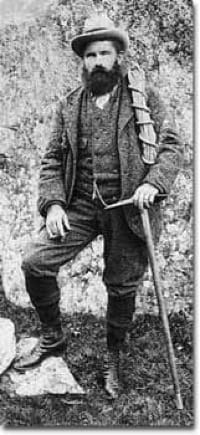
Seventeen years later, a British expedition led by Edward FitzGerald spent six weeks throwing itself at Aconcagua. FitzGerald got sick around 20,000 feet on every single attempt. On the eighth try, realizing he was never going to make it and that the first ascent was slipping away, he sent his Swiss guide Matthias Zurbriggen ahead. Zurbriggen walked to the top of the highest mountain outside Asia by himself on January 14, 1897, and as far as anyone knew at the time, stood at the highest place a human being had ever been.
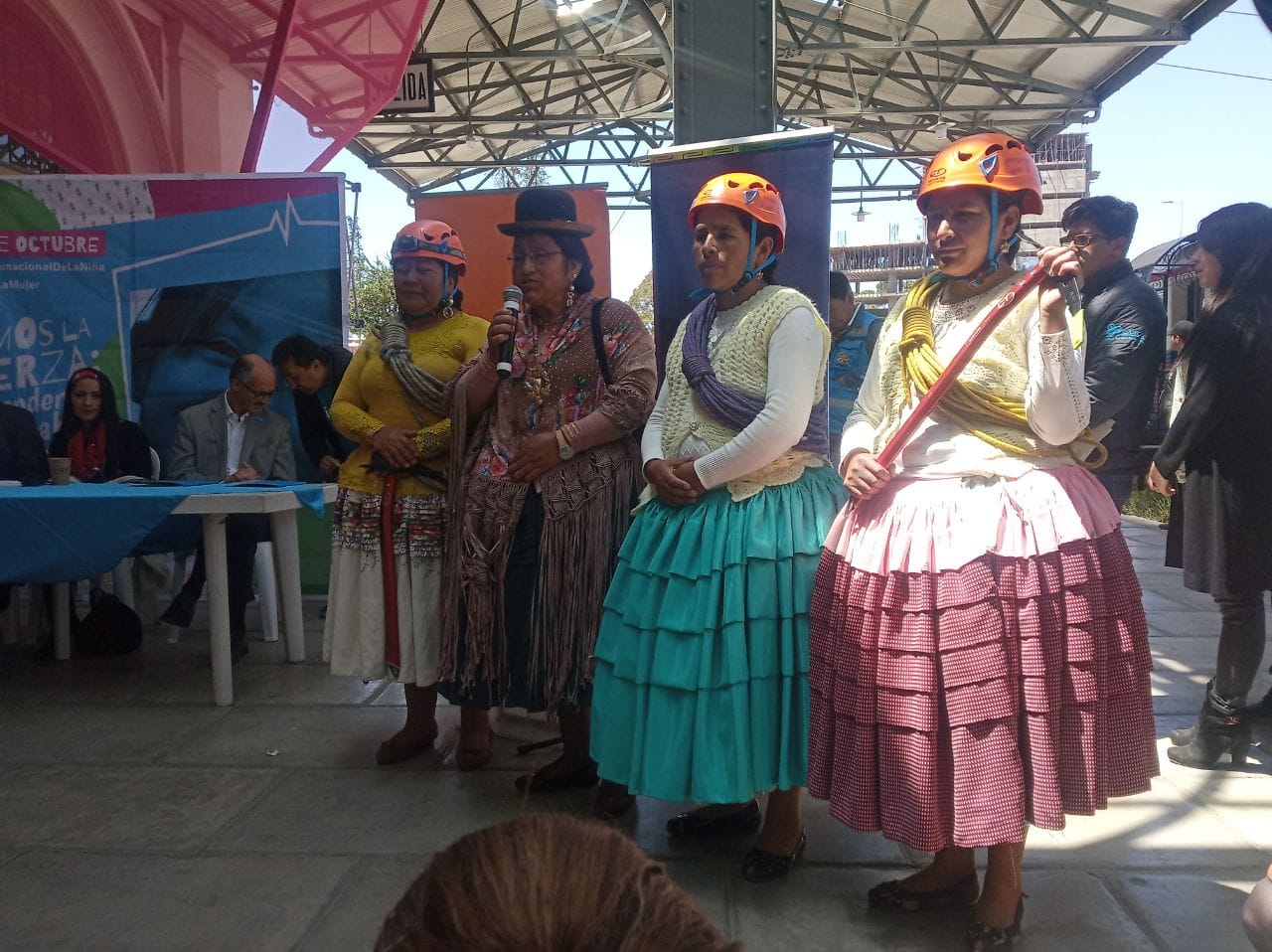
And more recently, the best story in Andean climbing belongs to a group of Aymara women from El Alto, Bolivia. Most of them had worked for years as cooks and porters for other people's expeditions. In 2015, eleven of them climbed Huayna Potosí together, in their traditional pleated pollera skirts, carrying their gear in woven aguayos instead of packs. They called themselves the Cholitas Escaladoras. They went on to climb Illimani, then Sajama, and in January 2019, Aconcagua. There is no tradition of recreational climbing in the Aymara community. They built one.
Why the Andes work so well
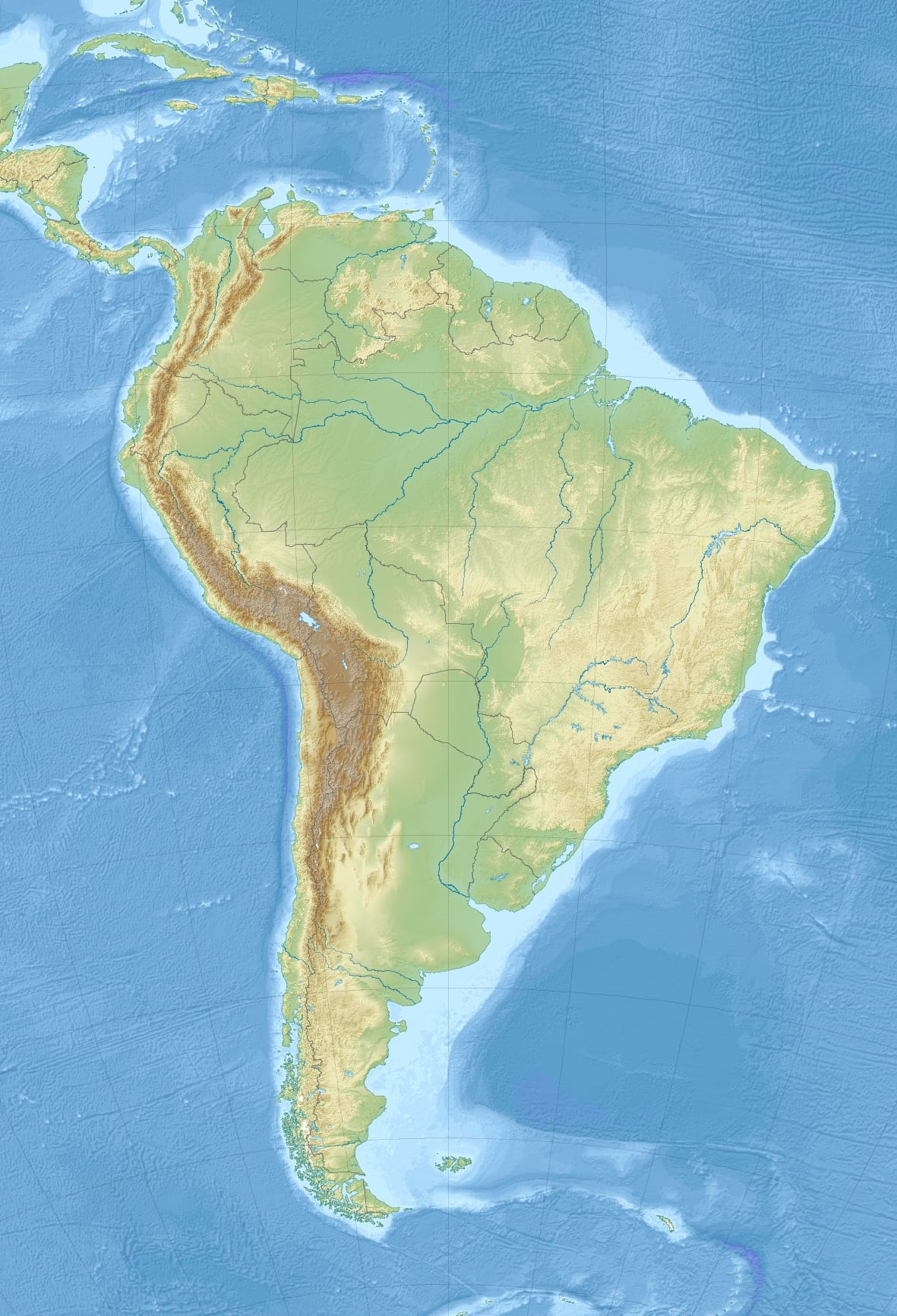
The practical case is simple. Latin America offers the most efficient altitude education on the planet.
On most of these peaks you can be standing on a glacier at 18,000 feet within a few days of leaving home. The technical difficulty is moderate, which means the mountain is teaching you about altitude, glacier travel, and expedition rhythm rather than pinning you to a hard technical crux. Approaches are short. Base camps are comfortable. The climbing seasons are reliable enough to plan a life around.
And then there is everything that happens off the mountain. Quito's old town. Huaraz on market day. La Paz spilling down into its canyon with Illimani filling the entire eastern sky. Mexico City, and then trout and potatoes cooked over a stove in the Ishinca Valley. You are not just going climbing. You are going somewhere.
Where to start: Mexico
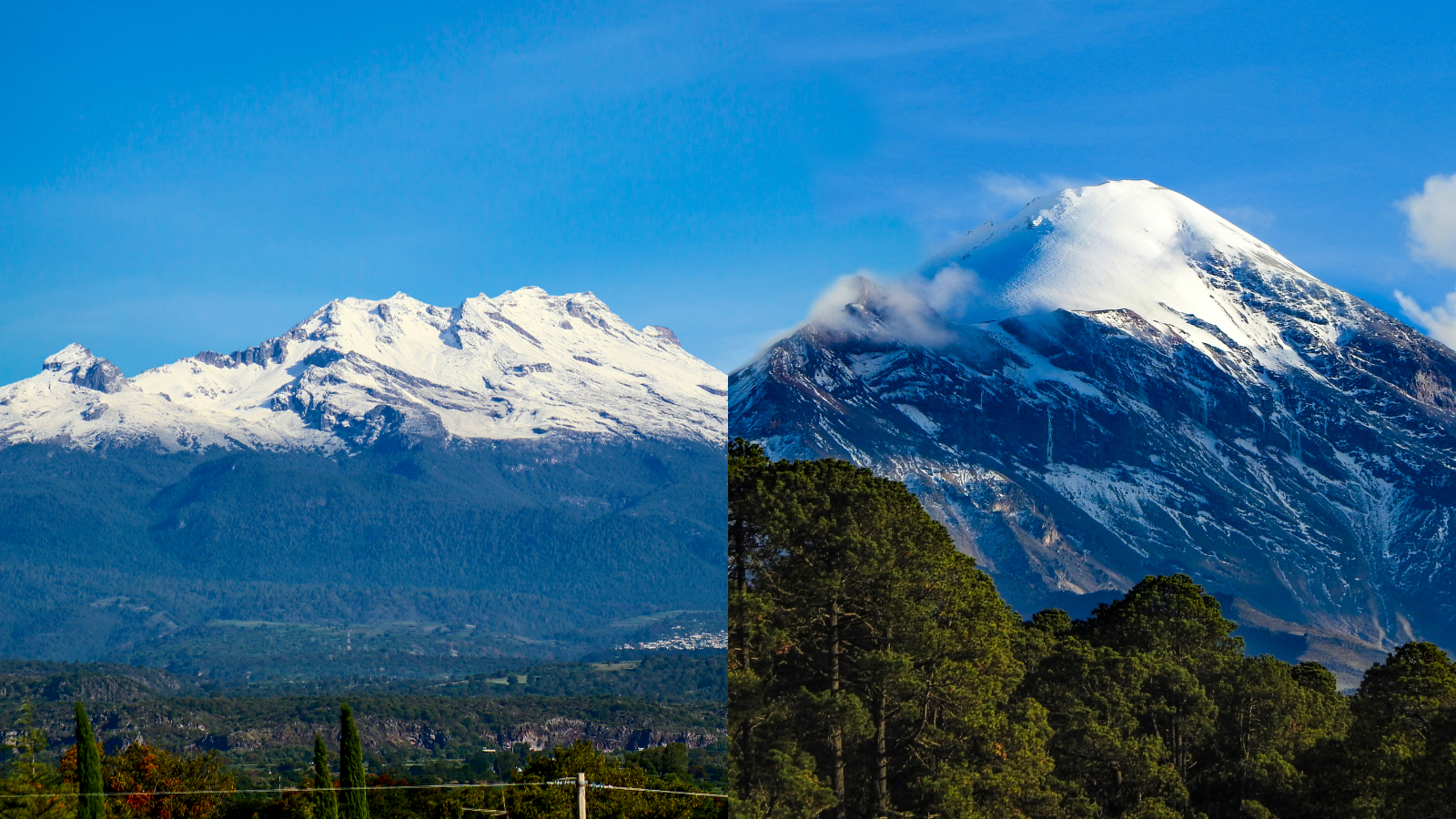
Orizaba & Ixtaccihuatl is the softest possible landing into serious altitude. Ixtaccíhuatl at 17,159 feet is the warmup, and it is a beautiful one. Then comes Pico de Orizaba at 18,491 feet, the highest volcano in North America and the third highest peak on the continent behind McKinley and Logan.
For a climber who has done Rainier and is wondering what comes next, this is the answer. You will feel real altitude for the first time. You will find out how your body handles it. And you will do it on a mountain that is forgiving enough to let you learn.
Ecuador: the best classroom on the equator
Ecuador packs an absurd number of glaciated volcanoes into a country the size of Nevada, which is why we run three separate programs there.
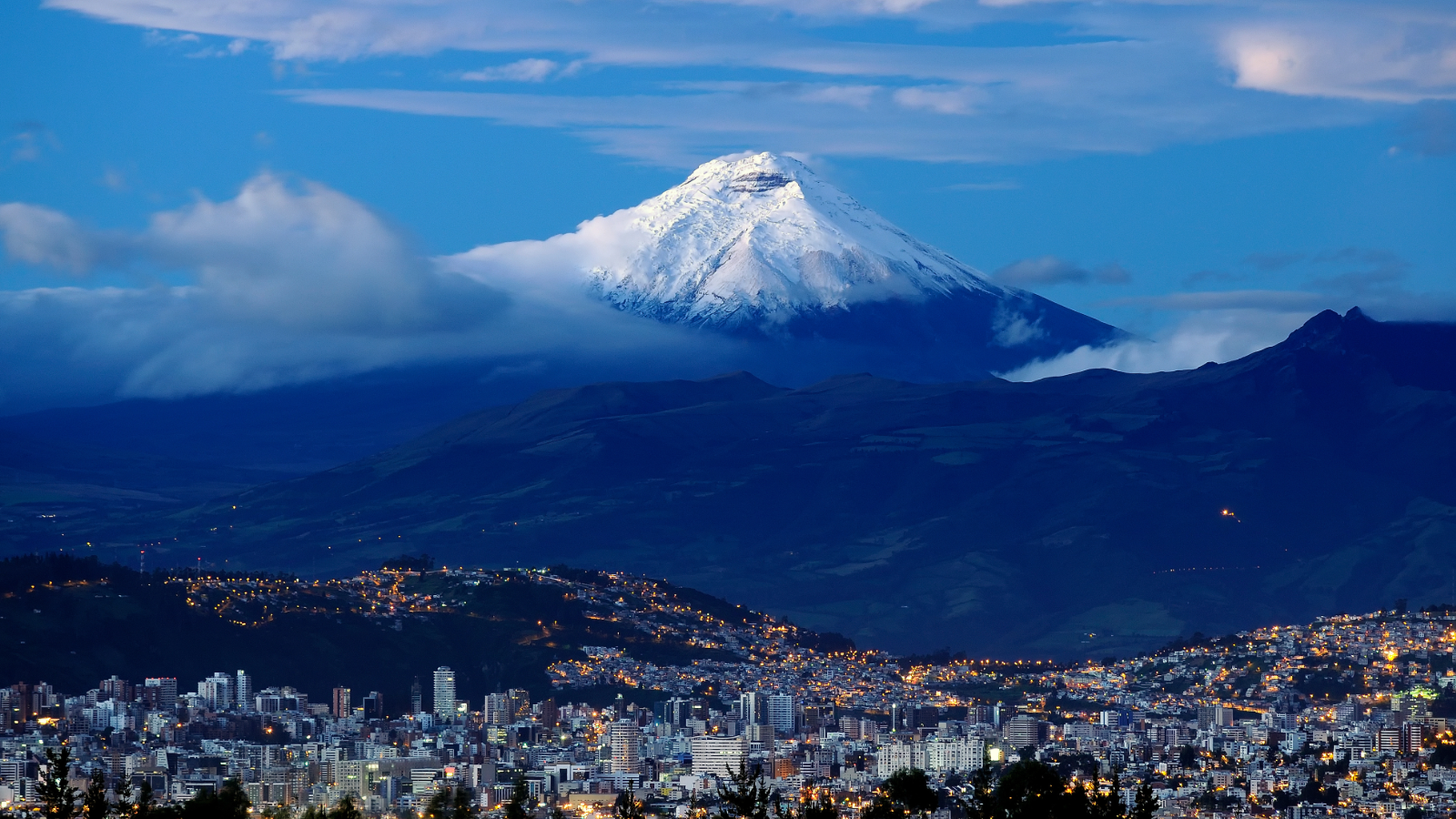
Cotopaxi Express is the short version, a nine day trip built around one of the world's most striking active volcanoes. If you have limited vacation time and want a real 19,000 foot summit, this is it.
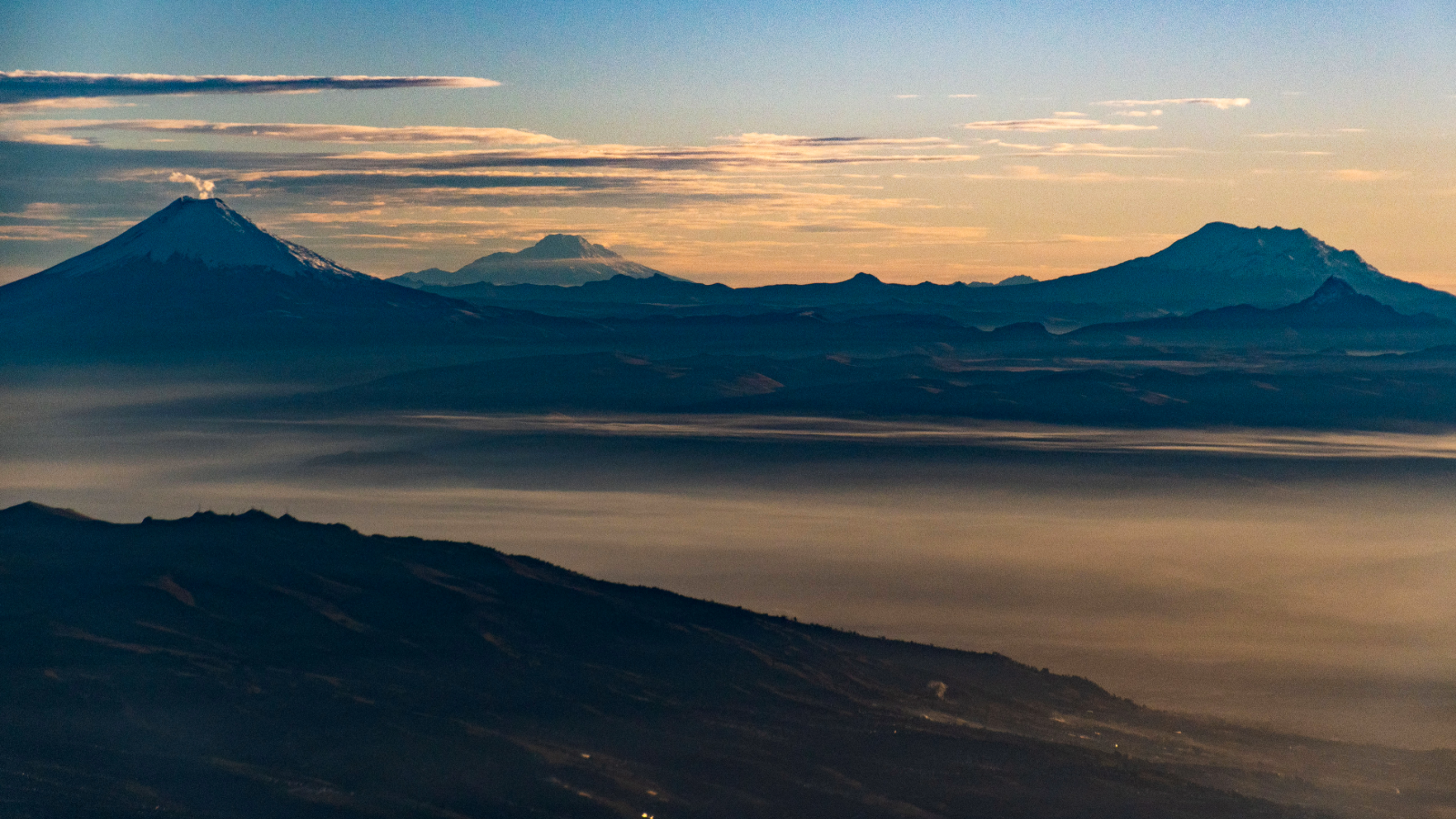
Volcanoes - Winter adds Cayambe to the itinerary, and Cayambe is a strange and wonderful mountain. The equator crosses its south slope at 15,387 feet, making that the highest point on Earth the equator touches and the only place along the entire line with permanent snow. You can stand on a glacier with one foot in each hemisphere.
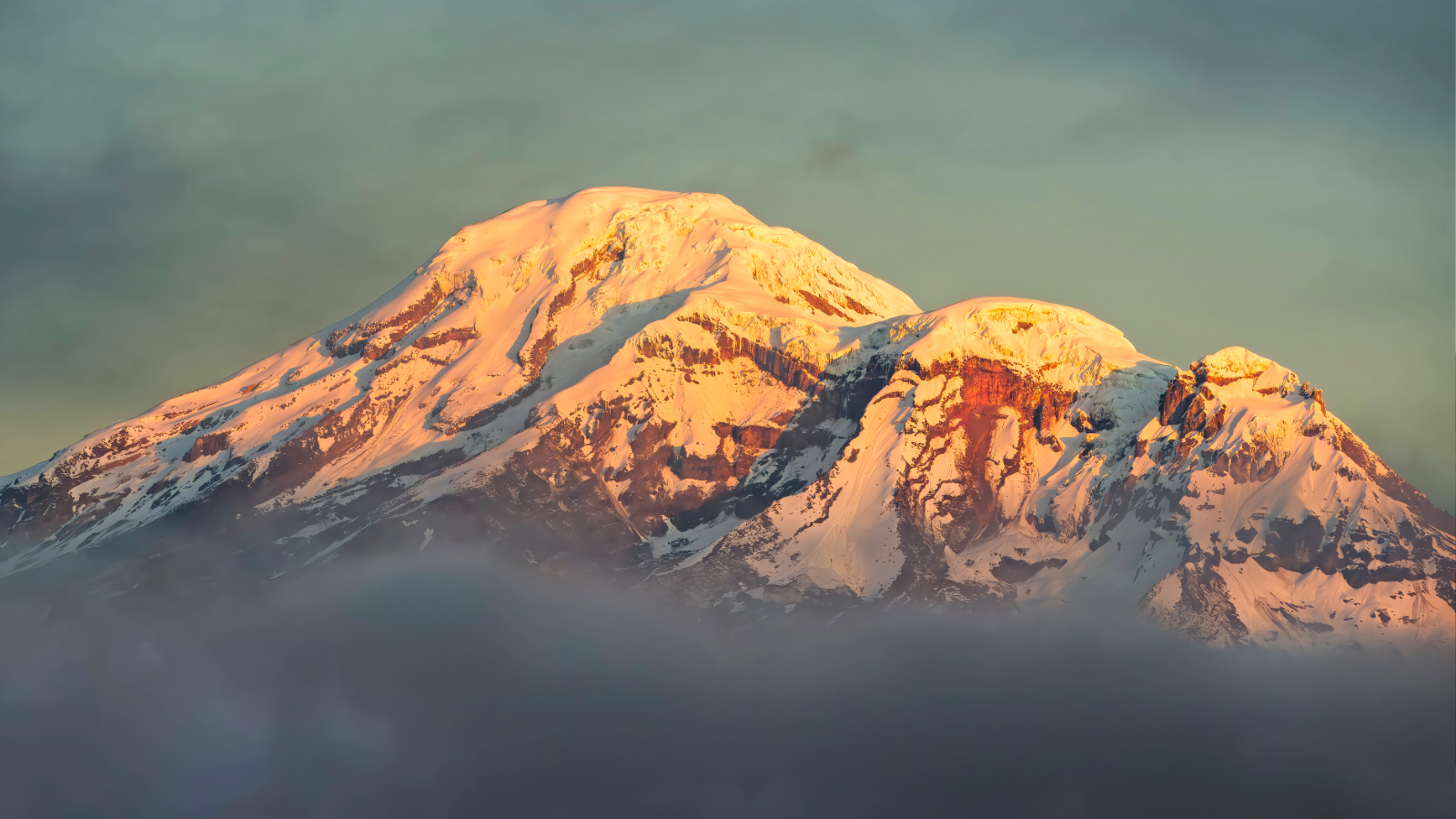
The Ecuador Seminar is the serious one: fifteen days, three volcanoes, Cayambe and Cotopaxi and Chimborazo, with skills instruction woven throughout. Successful completion is legitimate preparation for McKinley, and the ceiling of 20,548 feet on Chimborazo is high enough to tell you a lot about how you climb.
Peru: the highest tropical mountains on Earth
The Cordillera Blanca is not a well kept secret among climbers who know, but it deserves to be better known by everyone else. It is the highest tropical mountain range in the world, roughly 180 kilometers of white peaks with more than 700 glaciers and Huascarán at 22,205 feet standing over all of it.
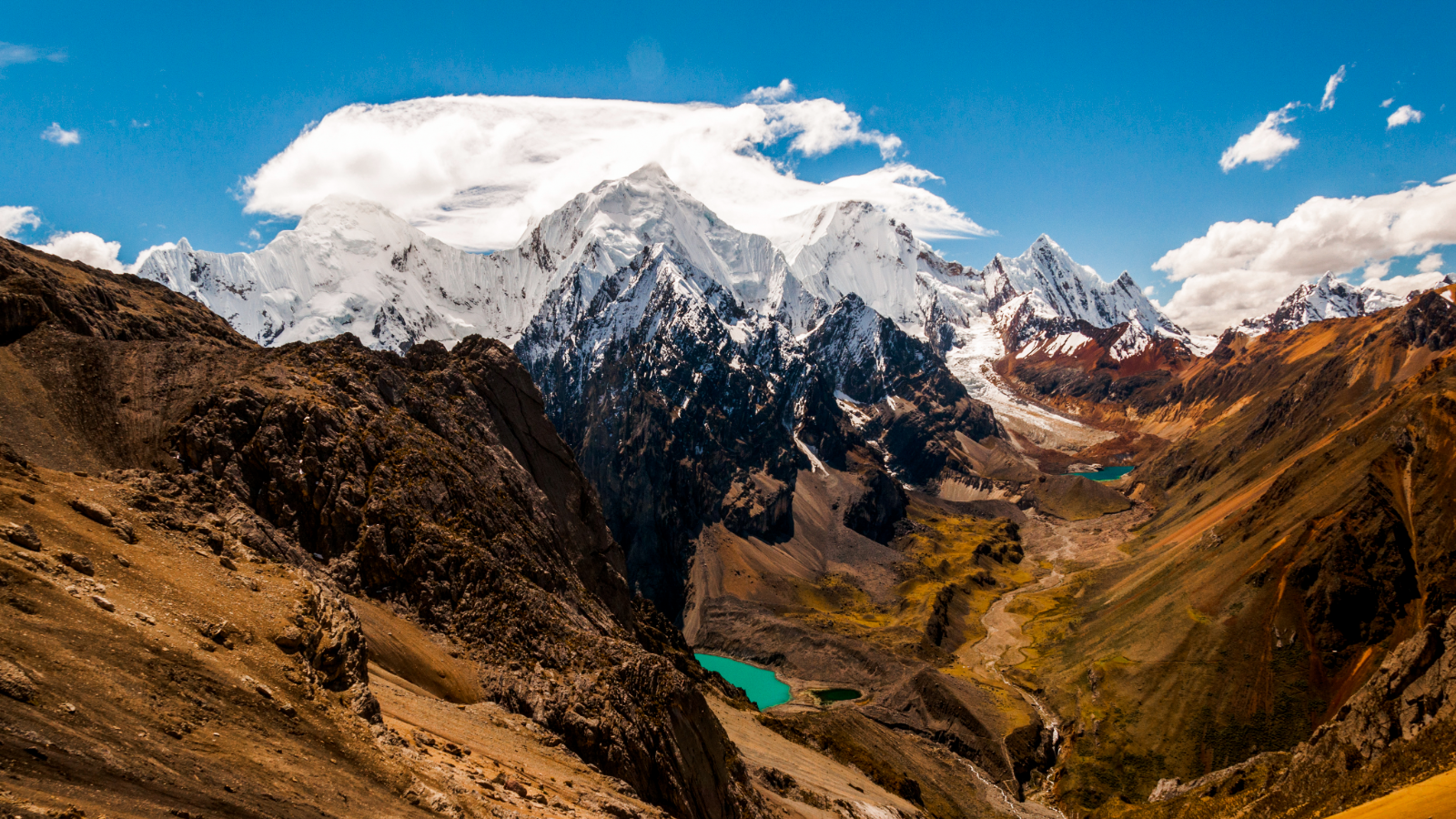
The Peru Seminar puts you in the Ishinca Valley, a base camp at 14,000 feet surrounded by walls of rock with Tocllaraju rising almost 20,000 feet at the head of the valley. Burros carry the gear up from the village of Pashpa. You climb, you learn, you eat well, and you come out with the skills and the altitude experience to consider much bigger objectives.
Bolivia: two giants above La Paz
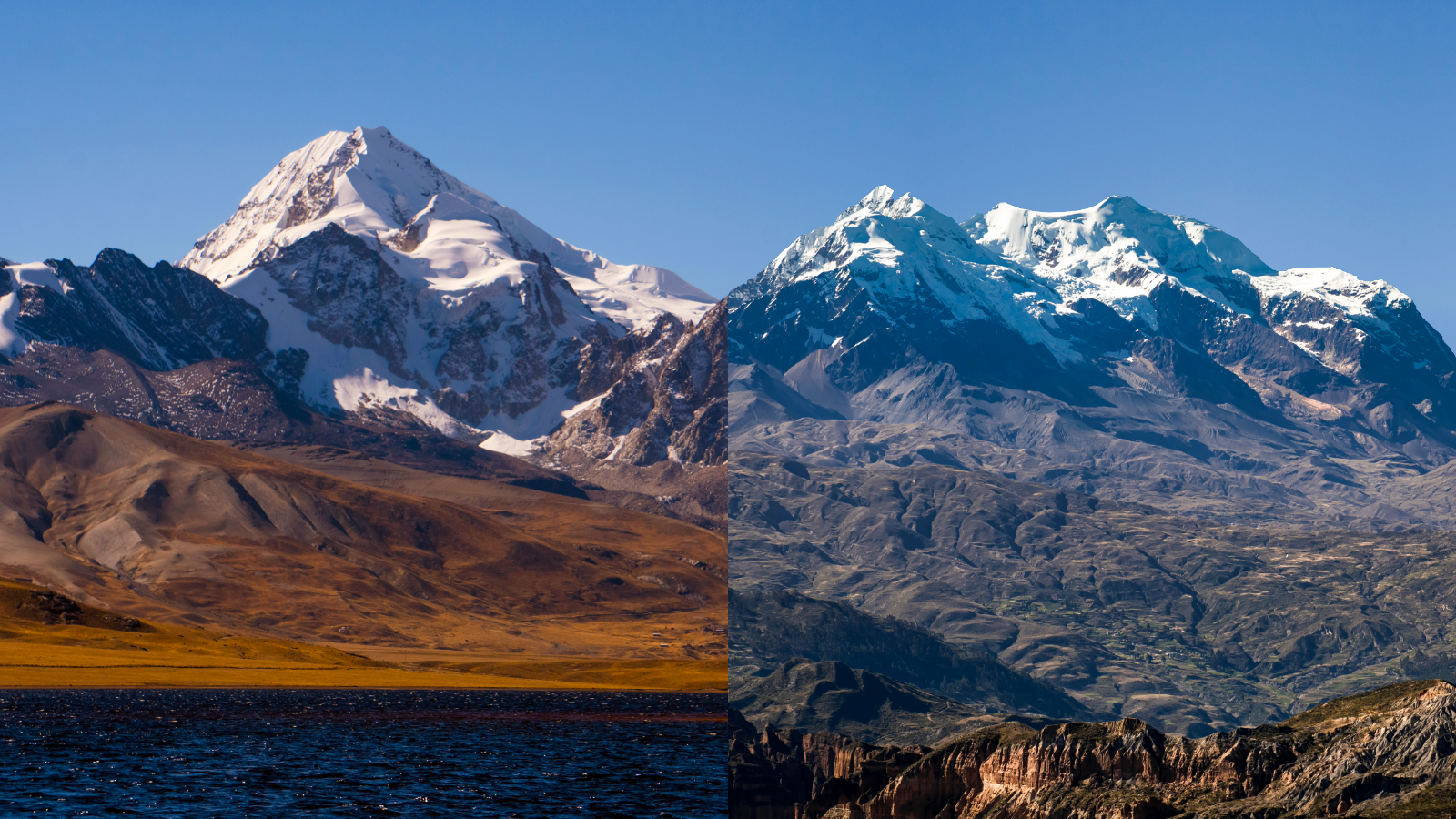
Illimani and Huayna Potosi is a Cordillera Real expedition and one of the best value propositions in international mountaineering. Huayna Potosí at 19,974 feet comes first, with steep ice and rock leading to a summit view over the Altiplano. Then a rest day in La Paz, and then Illimani, 21,122 feet, approached by 4x4 over spectacular mountain roads and climbed from a high camp at the Nido de Cóndores, the Condor's Nest.
It is exposed ridge climbing and steep faces on the summit day, and it is a long one, ten to twelve hours round trip. It is also the sacred mountain of La Paz, and you will feel that.
Argentina: Aconcagua
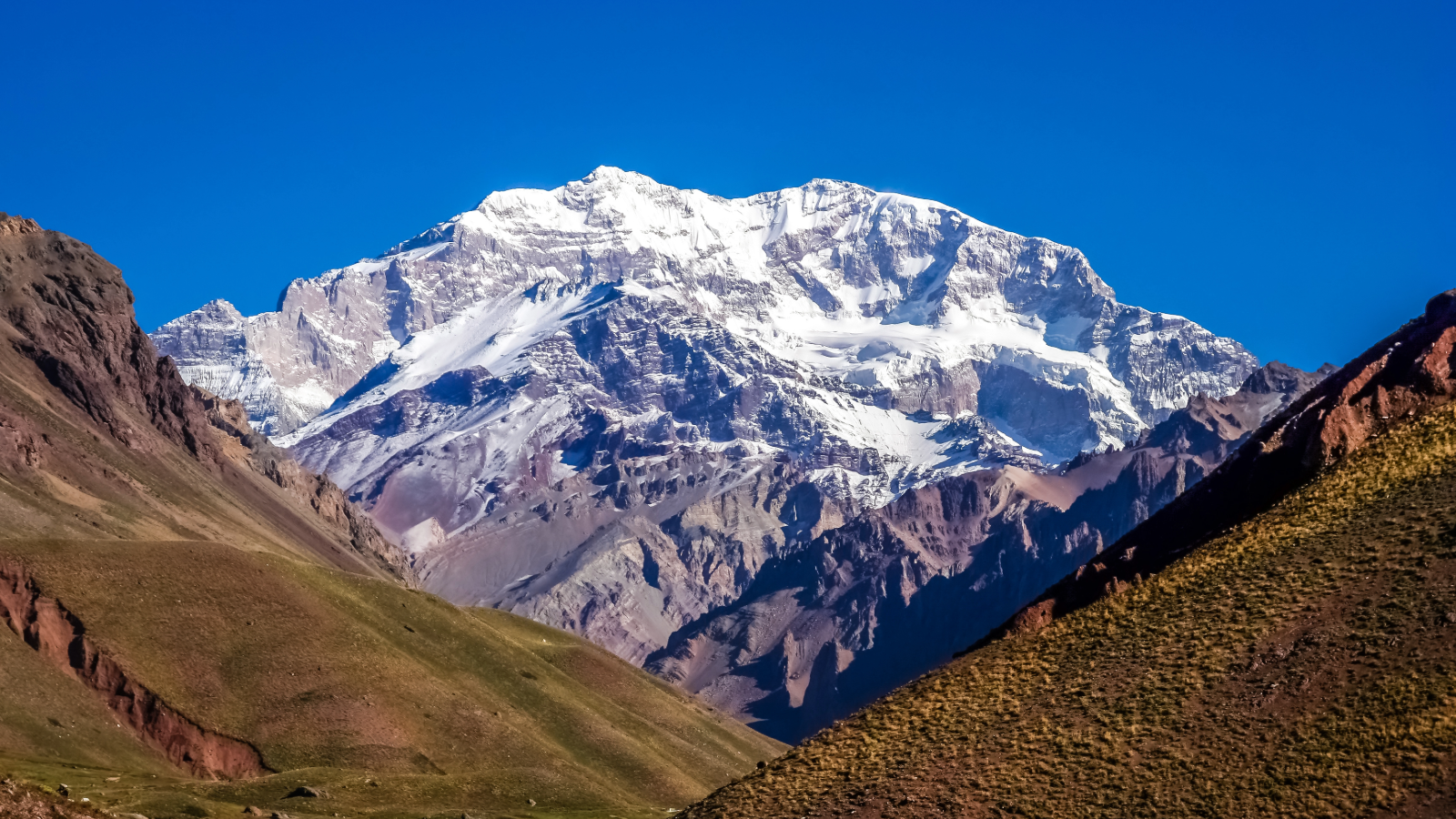
At 22,837 feet, Aconcagua is the highest mountain in the world outside the Himalaya, and the natural culmination of everything above. Our route follows the Vacas Valley, three days of trekking and river fords and twisting valleys that bring you to the mountain's quieter east side before the climbing begins.
Aconcagua is not technically difficult by mountaineering standards. It is difficult because you are at extreme altitude for fourteen days carrying heavy loads in a remote place, and because the weather does what it wants. It is the single best preparation available for the world's biggest mountains, which is exactly why so many climbers use it that way.
The ladder
Read those programs in order and you have a path: Mexico for your first real altitude, Ecuador to build glacier and expedition skills at 19,000 feet, Peru to go deeper into technical terrain, Bolivia for two 6,000 meter summits, Aconcagua for everything above 22,000. Any one of them stands alone as a trip worth taking. Strung together, they are a mountaineering education.
The Andes have been teaching climbers this for almost 150 years, going back to a Victorian eccentric sleeping on the rim of an active volcano to see what would happen. We think it is still the best classroom out there.
Come find out.
