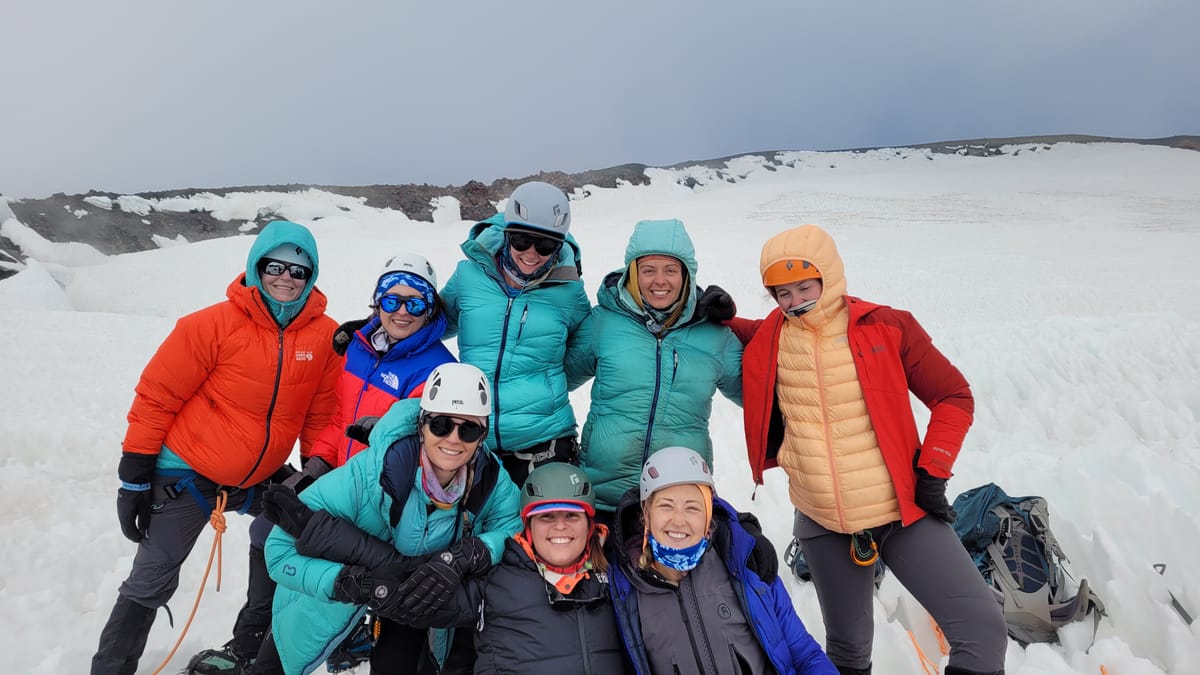
Climbing Mount Rainier is a dream for a lot of people. At 14,410 feet, it's one of the most iconic mountains in North America and one of the best places in the world to actually learn how to be a mountaineer. Not just read about it. Do it.
But if you've started researching a beginner's guide to Mount Rainier, you already know how fast the information piles up. Training plans. Gear lists. Glacier travel. Altitude. Weather. Crevasse rescue. It can feel like drinking from a firehose before you've even laced up a boot.
Here's the thing: you don't need to figure it all out at once.
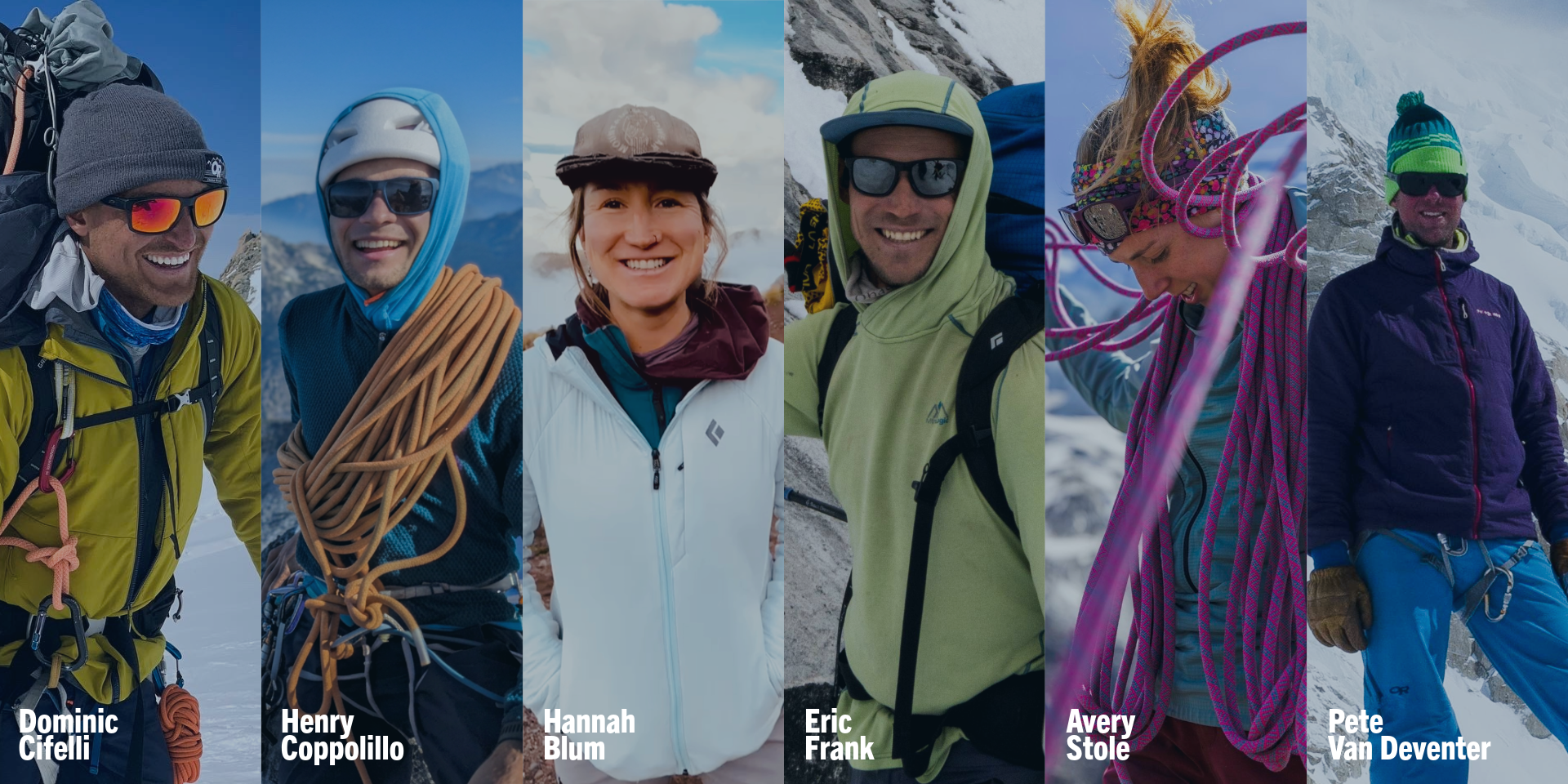
After 50+ years guiding on Rainier and mountains around the world, our guides have learned that success usually comes down to a handful of habits done consistently and well. So we went straight to the source and asked several RMI guides to share the advice they give first-time climbers most often.
Think of this as a field-tested shortcut. The stuff that actually matters, from people who spend a lot of time above the tree line.
Train for This Climb, Not Just Any Climb
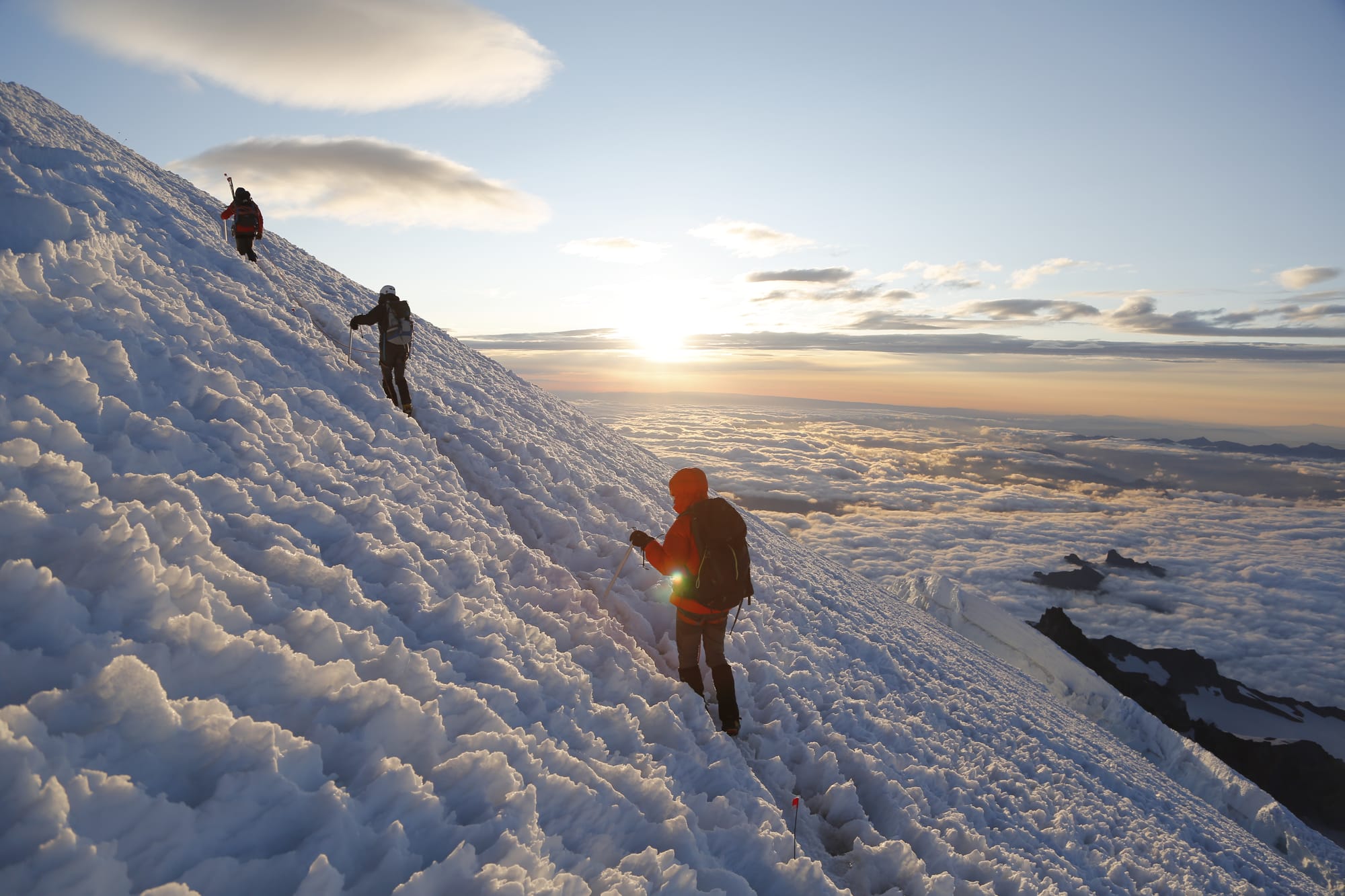
The most common training mistake new climbers make? Putting in serious hours at the gym or on flat terrain. RMI Guide Eric Frank keeps his advice simple: make your training look as much like the actual climb as possible.
"Walking up hills or steps is better than flat ground," Eric says. "Carrying a pack with a similar amount of weight, or work your way up to it, helps immensely."
Stairs, steep trails, weighted hikes. Start lighter and build gradually. If you want a full breakdown of what a Rainier-specific training plan looks like, our training guide is a great place to start.
RMI Guide Henry Coppolillo adds a piece of advice that surprises a lot of first-timers: train for the downhill, too.
"Walking down Mount Rainier will probably be a lot harder than you think," Henry says. "On a regular hiking trail with a light pack, the descent is pretty mindless. But after several thousand feet of vertical gain in your legs plus stiff boots, crampons, and a heavy pack, the descent is potentially just as challenging as the ascent. It's just more of a strength and coordination challenge than an aerobic one."
Seek out steep hikes with uneven footing. Add eccentric leg exercises that target the muscles you use walking downhill. Your future self will be grateful.
One more thing worth knowing before you start training: Rainier isn't your typical 14er. As RMI Guide Dominic Cifelli puts it plainly,"it's colder, windier, and more elevation gain. Bring that parka."
Don't Overthink the Altitude (But Do Respect It)
Altitude anxiety is real, and it's one of the things new climbers stress about most. Dominic's take? Keep it simple.
"The best way to feel good at altitude is to have good cardiovascular fitness." That's it. Train well, show up fit, and let your body do its thing. Curious about what to realistically expect up high? We've got an inside look at daily life on Rainier.
Take Care of Your Feet Before They Are a Problem
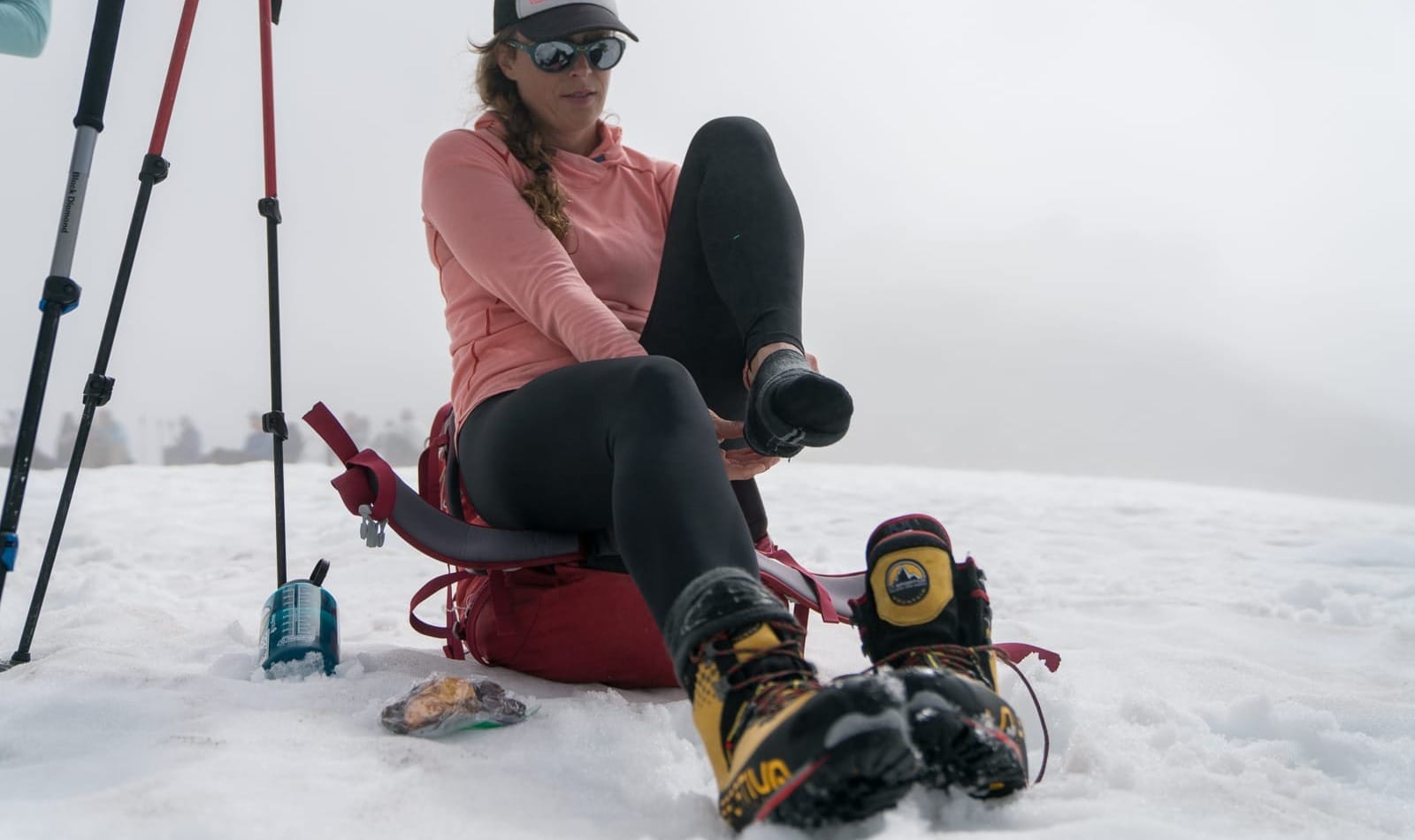
Blisters are one of the most common issues for new climbers. They're also one of the most preventable.
Henry is direct about it: "Speak up right away if you feel a hot spot forming. A few minutes of tape early in the day can prevent a much bigger problem later." If you know you tend to get blisters in the same spots, consider pre-taping those areas each morning before you start moving.
RMI Guide Pete Van Deventer adds that even if you're in rental boots, you don't have to start from zero on comfort. Semi-custom footbeds like Superfeet, Sidas, or ZipFit insoles can make a real difference for support and fit. "Putting your own insoles in a rental boot can make a big difference for comfort and prevention."
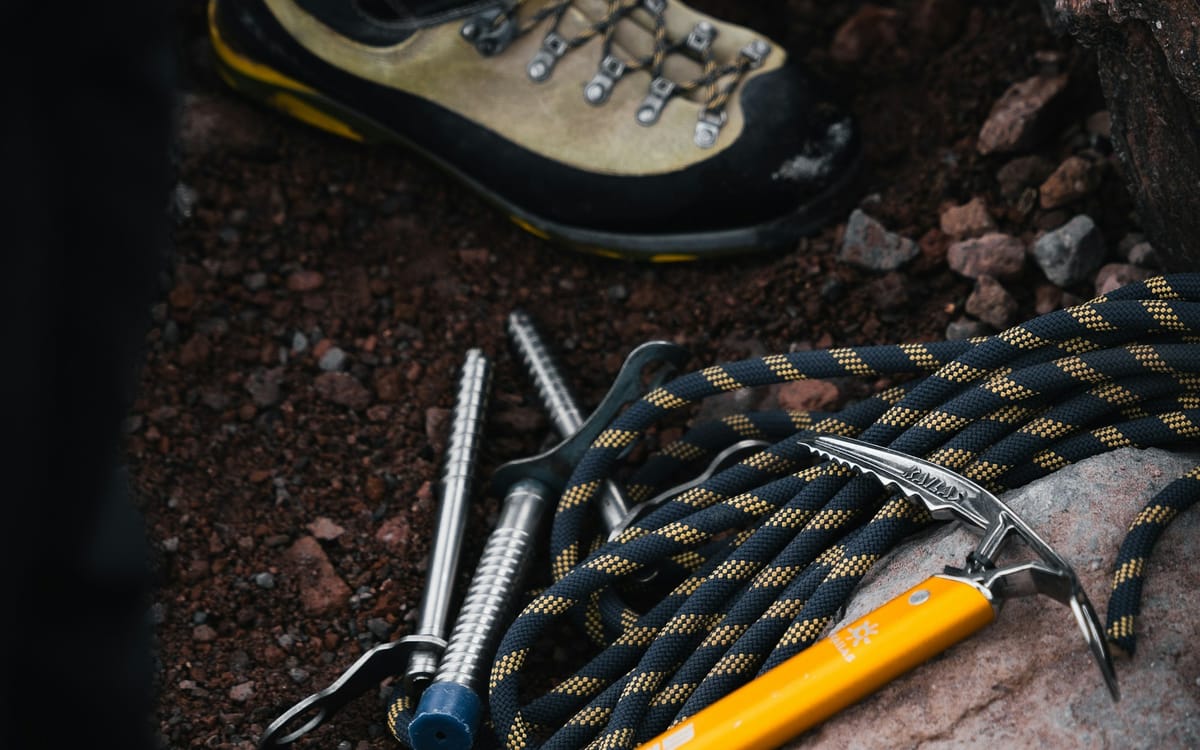
Mountaineering is hard. Your gear shouldn't be the reason it's miserable. For a full rundown on what to bring on your feet (and everywhere else), check out our ultimate gear guide.
Every Ounce Counts
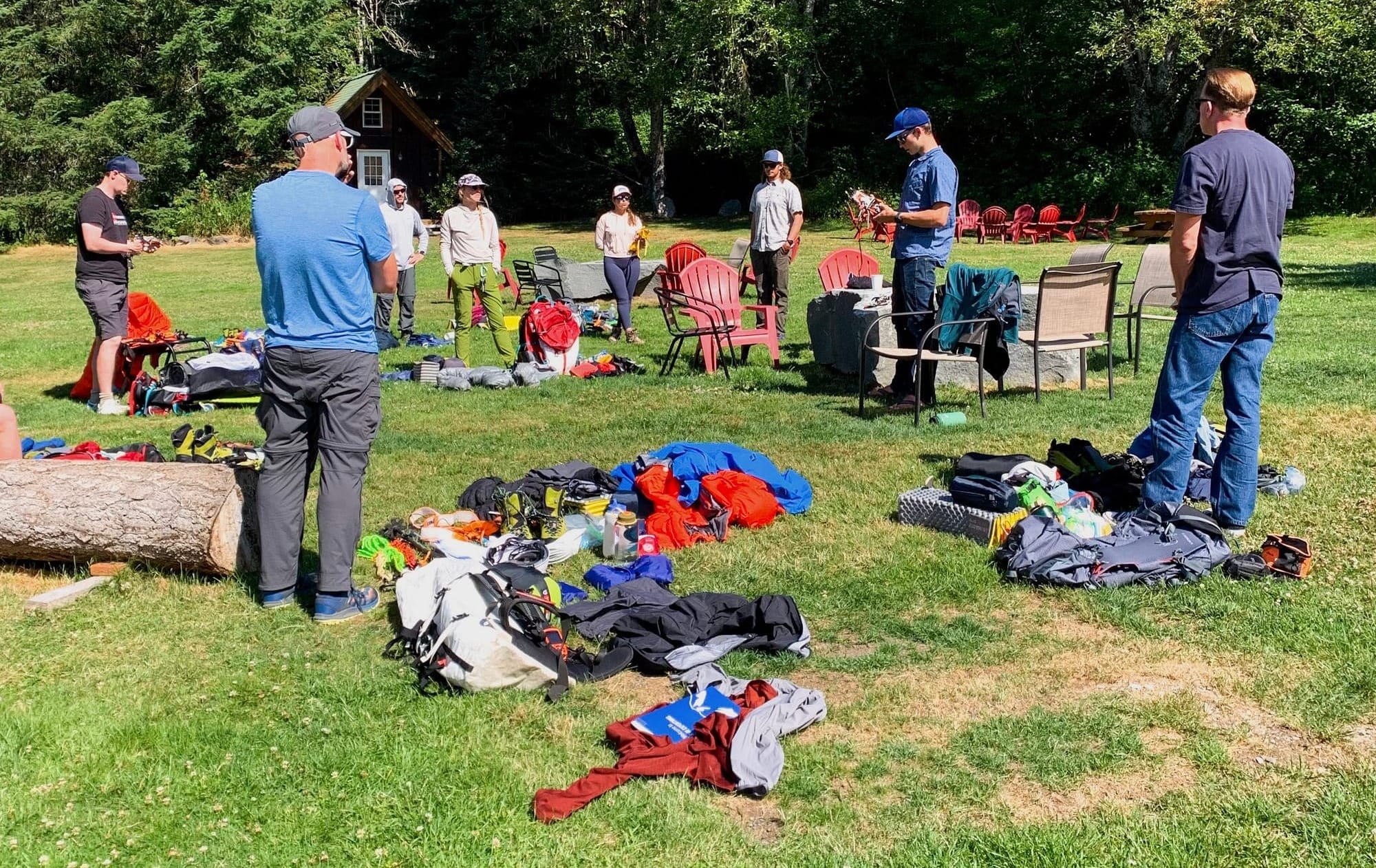
When you're prepping for your first climb, it's tempting to add just one more thing. An extra pair of gloves. Another shirt. A few backup snacks. Just in case.
Dominic offers a gentle but firm reality check: "Those ounces add to pounds quicker than we'd like to think. Be critical. Taking 10 pairs of underwear on a 4-day vacation is no big deal when you check bags, but you have to carry this on your back!"
Now, full transparency: Eric does sneak a cotton T-shirt into his pack for camp. "It feels incredible after wearing synthetic all day." He even uses it to stuff his parka into a makeshift pillow.
Dominic's response to this? "I know that contradicts Eric's T-shirt tip directly, but for beginner climbers, shaving the weight is more important. Sorry, Eric."
We love our guides.
The Small Things Add Up (In Both Directions)
A few small habits that make a surprisingly big difference over multiple days on the mountain:
Sunscreen. Eric cannot stress this enough. "Under the chin, behind the ears, inside the nostrils. I have seen too many trips end because folks are not liberal enough with sunscreen. Every hour isn't too much." High altitude sun hits differently and the reflection off snow makes it hit twice.
Hydration on a schedule. Pete encourages climbers to practice pulling out a water bottle roughly once an hour during training, rather than constant sipping. "That is often quite different from what people are used to and can get in their head on the mountain. You can be thirsty without being dehydrated." Better to get used to it before you're on the glacier.
Food you actually want to eat. RMI Guide Hannah Blum has a simple rule: "Bring snacks you actually want to eat. Your summit snacks should feel like a reward, not a chore." It sounds obvious until you're 12,000 feet up staring at a bar you hate. What you eat on a climb matters more than most people realize, here's how to prep accordingly.
Prepare Your Gear the Night Before
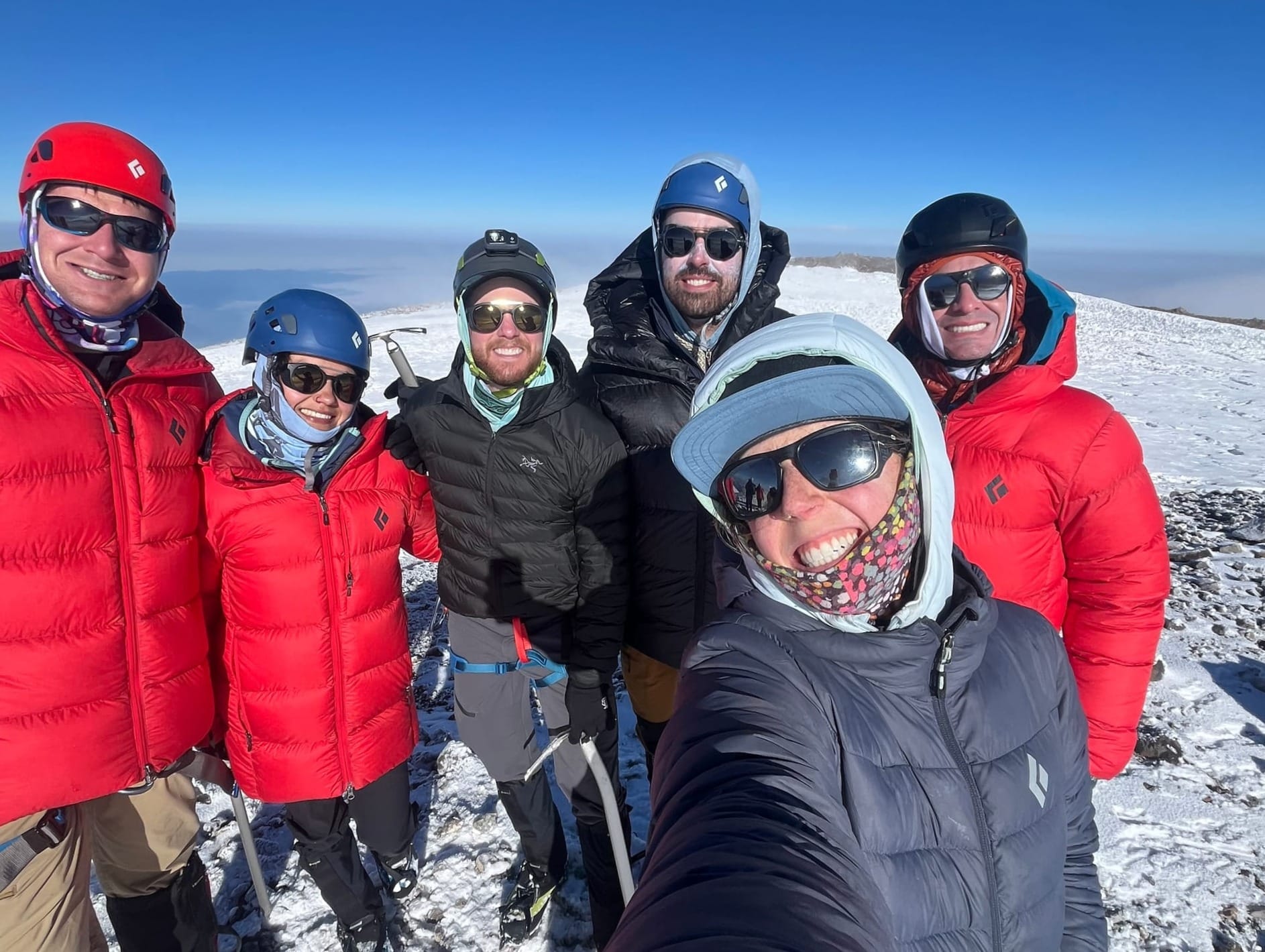
This one is small, but it's a game-changer on summit day.
Hannah's habit: prep everything the night before. Lay it out. Pack it. Know where it is. "That way you can just wake up and climb." When your alarm goes off at 1am and the temperature has dropped and you're half-asleep at high altitude, you'll be very glad you did this.
Prepare Your Mind, Too
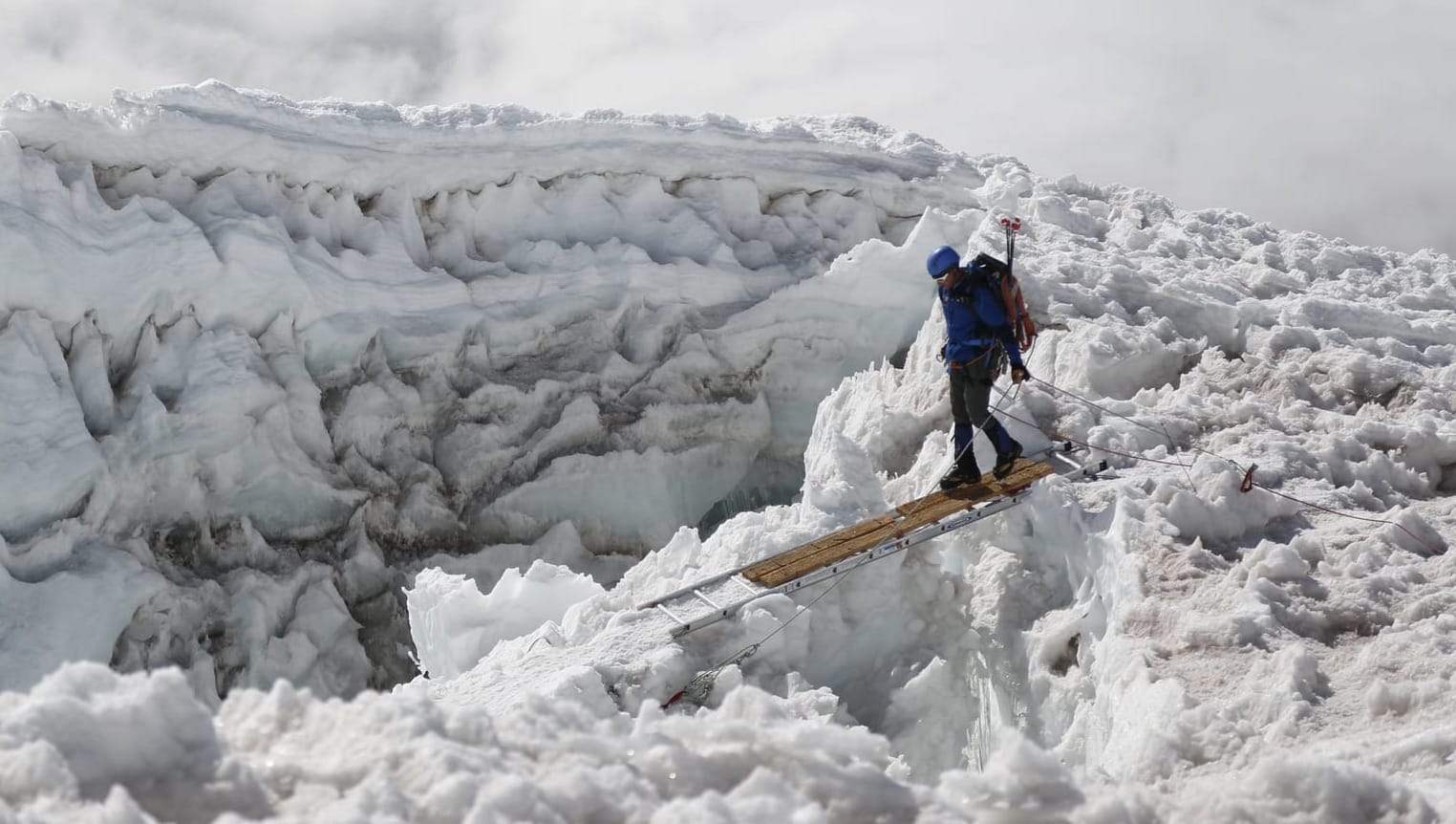
Every climber hits a moment when the mountain feels big and the challenge feels very, very real.
Hannah's advice for that moment is probably the simplest thing in this entire post: "Just breathe."
Focus on the next step. Then the one after that. That's all you need to do right now.
And while you're at it, speak to yourself with kindness. When your legs are screaming to stop, the voice in your head should be on your side.
A few climbers swear by small morale boosters to get through the tough stretches. Hannah puts glitter on before big objectives. "It's guaranteed bliss, even if it's a sufferfest. Actually, it makes a sufferfest so much better." Some paint their nails. "It's nice to take your gloves off and see something pretty." These things sound small, but after a long day at altitude, small things matter a lot. Whatever it is that puts a little spark in your day up there, bring it.
Sleep, by the way, is going to be weird. Between the excitement, the altitude, and early alpine starts, most climbers don't sleep as well as they do at home. That's normal. That's part of it. The sleep you get after you've completed your objective? Hannah promises it will be very, very good.
A Note for the Women (Or Long-Haired Men) Reading This
Hannah has one piece of advice on your mountain hairstyle. Braids.
They fit under a helmet, keep hair out of your eyes when it's windy, and keep things manageable if you're in the mountains for multiple days. Practical and functional.
And if you're thinking about your period on the mountain, you're not alone. Check RMI Guide, Avery Stole's compilation of tips and tricks for managing your flow in the backcountry.
Look Up Once in a While
It's easy to get tunnel vision on a climb. Eric's reminder is a good one to carry with you:
"Take a moment to look around, enjoy the incredible beauty, and take a mental snapshot."
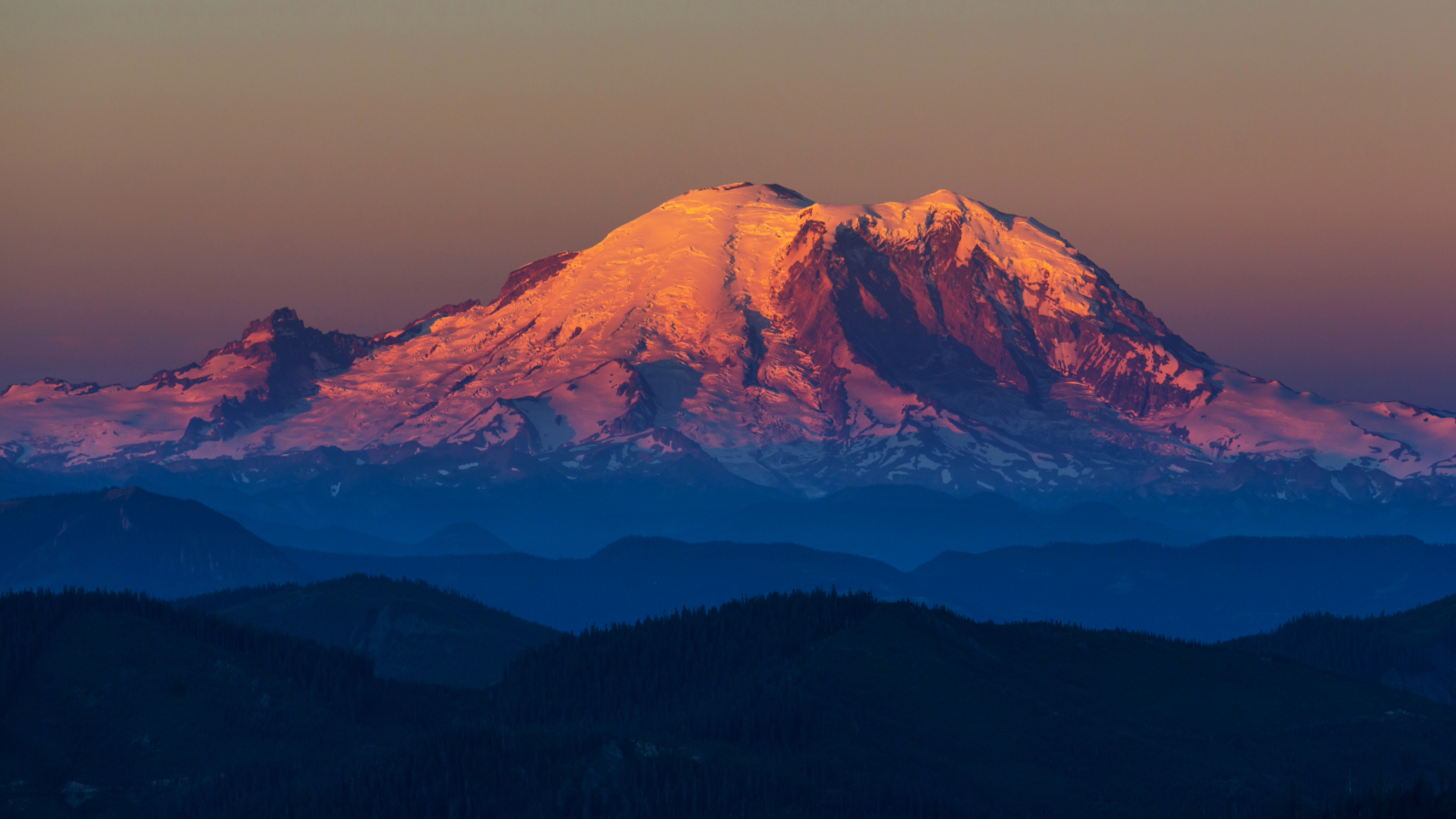
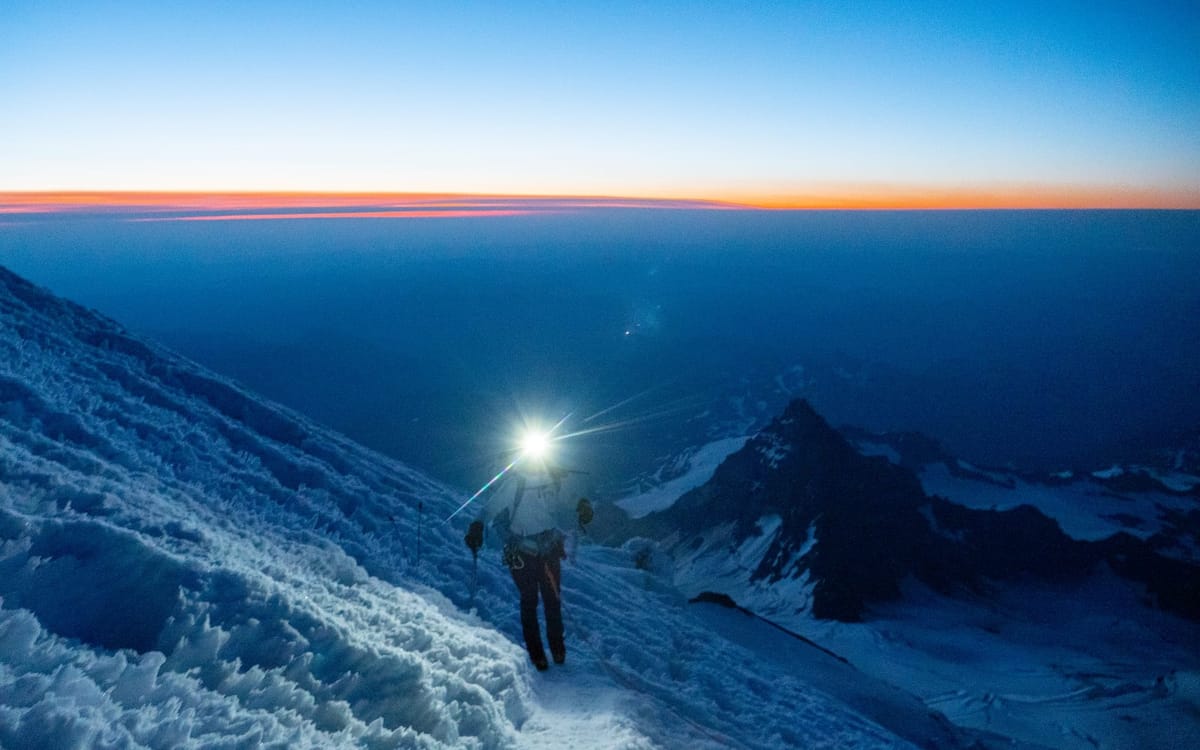
The sunrise over the Cascades. The shadow of Rainier stretching across the horizon. The quiet of a glacier at 4am. These are the moments you'll still be talking about years from now.
Ready to Learn More?
This post is just the beginning. Here are the resources that'll take you deeper into your Rainier prep and if you have questions along the way, our guides are always happy to help!
 Kristian Whittaker
 Kristian Whittaker
 Kristian Whittaker
 Kristian Whittaker
 Kristian Whittaker
 Kristian Whittaker
 Kristian Whittaker
 Kristian Whittaker
 Avery Stolte | RMI Guide