


You're six hours into your summit push. Your legs feel like lead. Your brain is foggy. Even gentle slopes feel impossible. You just bonked, and there's still hours to go.
The bonk (also called "hitting the wall") is every climber's nightmare. It's that catastrophic energy crash that happens when your body runs out of its preferred fuel source: carbohydrates. And on long summit days that stretch from 12 to 15 hours or more, avoiding the bonk becomes critical to success.
The good news? You can train your body to burn fat more efficiently, preserving those limited carbohydrate stores and maintaining steady energy for the long haul. This guide breaks down how to become more "fat-adapted" so you can power through extended climbs without crashing.
Why Energy Management Matters
When you're climbing for hours, starting in the dark, covering steep terrain, and facing changing weather, your body is under immense physical and mental stress. Success depends on two things:
- Physical Training: Strength, endurance, and technical skill.
- Energy Management: Making sure your body has adequate fuel (carbs and fat) to power hours of constant motion at varying intensities.
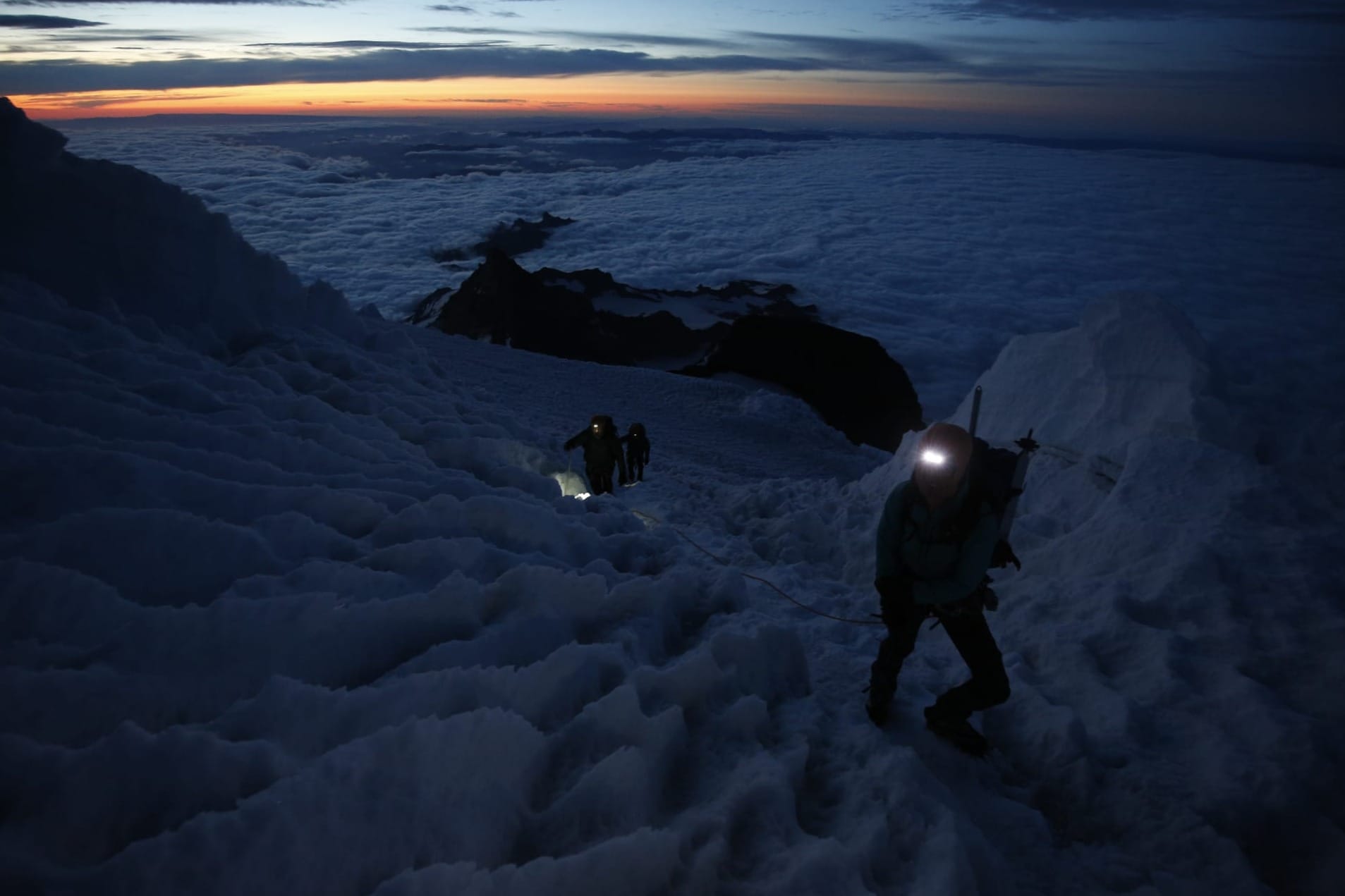
While carbohydrate intake remains important (carbs provide high-octane energy for intense efforts), research increasingly shows that improving your fat burning capacity helps you maintain more stable energy output over extended climbs. By becoming more fat-adapted, you tap into a virtually unlimited energy supply, reducing the risk of depleting your glycogen stores too early.
Carbohydrates vs. Fat: Understanding Your Fuel Sources
Your body relies on two primary fuel sources:
- Carbohydrates: Stored in muscles and the liver as glycogen. Great for short bursts of high-intensity activity or moderate activity for about two hours.
- Fat: Vast stores (even in lean individuals) that can theoretically provide days of steady energy, though at a lower intensity.
Why Focus on Fat?
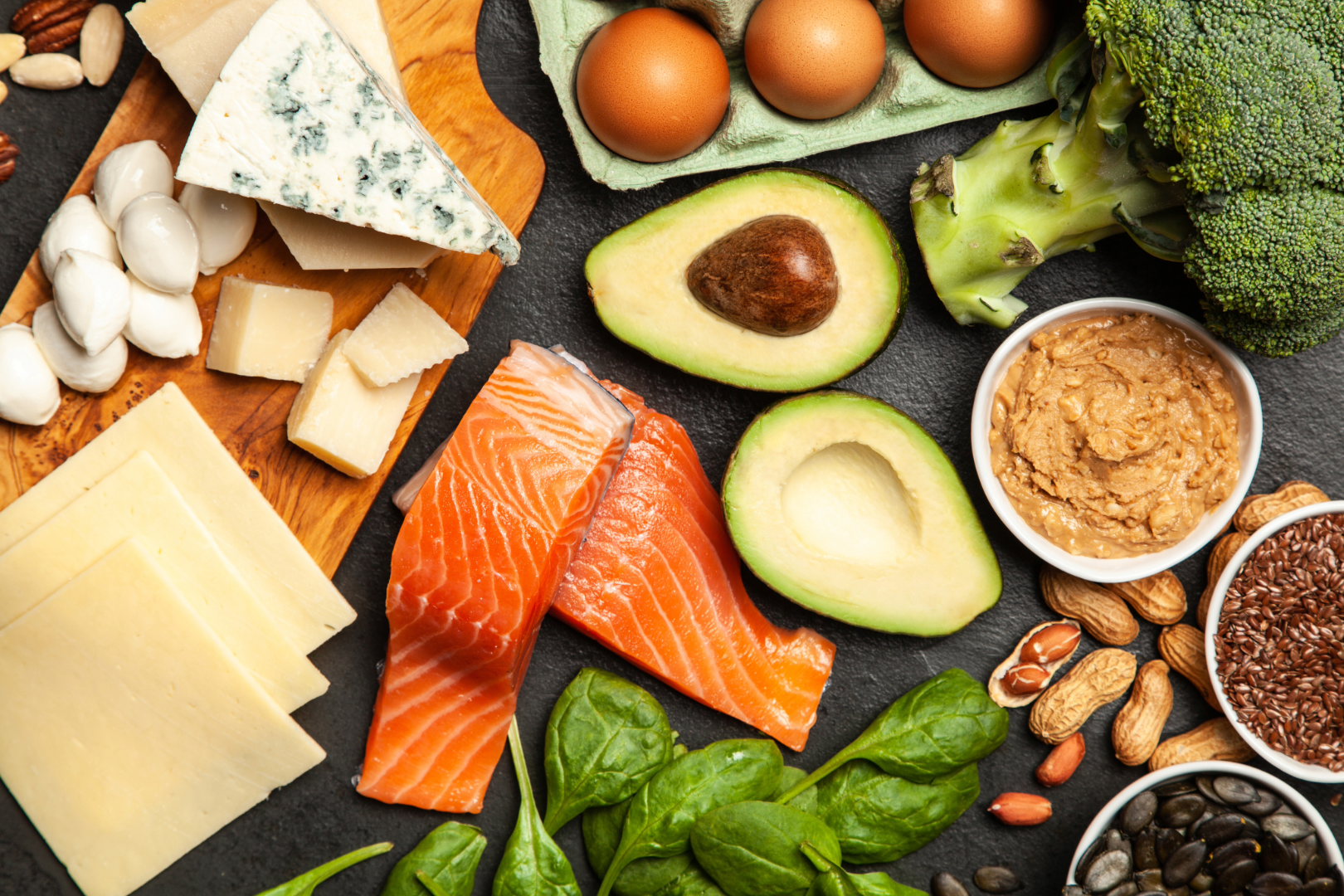
- Long Summits: Many alpine days exceed 2 to 3 hours, easily burning through glycogen if you rely solely on carbs.
- Better Fuel Flexibility: A trained fat-adapted athlete can switch between carbs and fat more efficiently, preserving glycogen for the steepest sections.
- Bonk Prevention: Relying heavily on carbs alone risks a catastrophic energy crash if you run low on glucose mid-climb.
What Happens When You Bonk
Bonking (sometimes called "hitting the wall") occurs when muscle and liver glycogen reserves hit rock bottom. Common symptoms include:
- Extreme Fatigue & Weakness: Even mild inclines feel impossible.
- Coordination Loss: Slipping or stumbling on terrain that felt easy an hour ago.
- Mental Fog: Difficulty focusing on rope work, footwork, or route navigation.
- Dizziness or Lightheadedness: A telltale sign of dwindling glucose for brain function.
What's Happening Physiologically
When glycogen is depleted, your body scrambles to produce glucose from alternative sources (often muscle protein or blood glucose), leading to rapid energy decline. That's why climbers carry snacks (energy gels, bars, candy) on the mountain: to replenish carbs in small increments and stave off a full bonk.
However, the body can only absorb about 250 calories of sugar per hour, which is far less than the total energy burned in a steep, multi-hour climb. Training your body to rely more on fat helps fill that energy gap.
Training Your Body to Burn Fat More Efficiently
Fat is energy-dense (about 9 calories per gram, more than twice the energy of carbohydrates). However, the body typically prioritizes carbohydrate usage, especially at higher intensities, because it's faster to break down for quick energy.
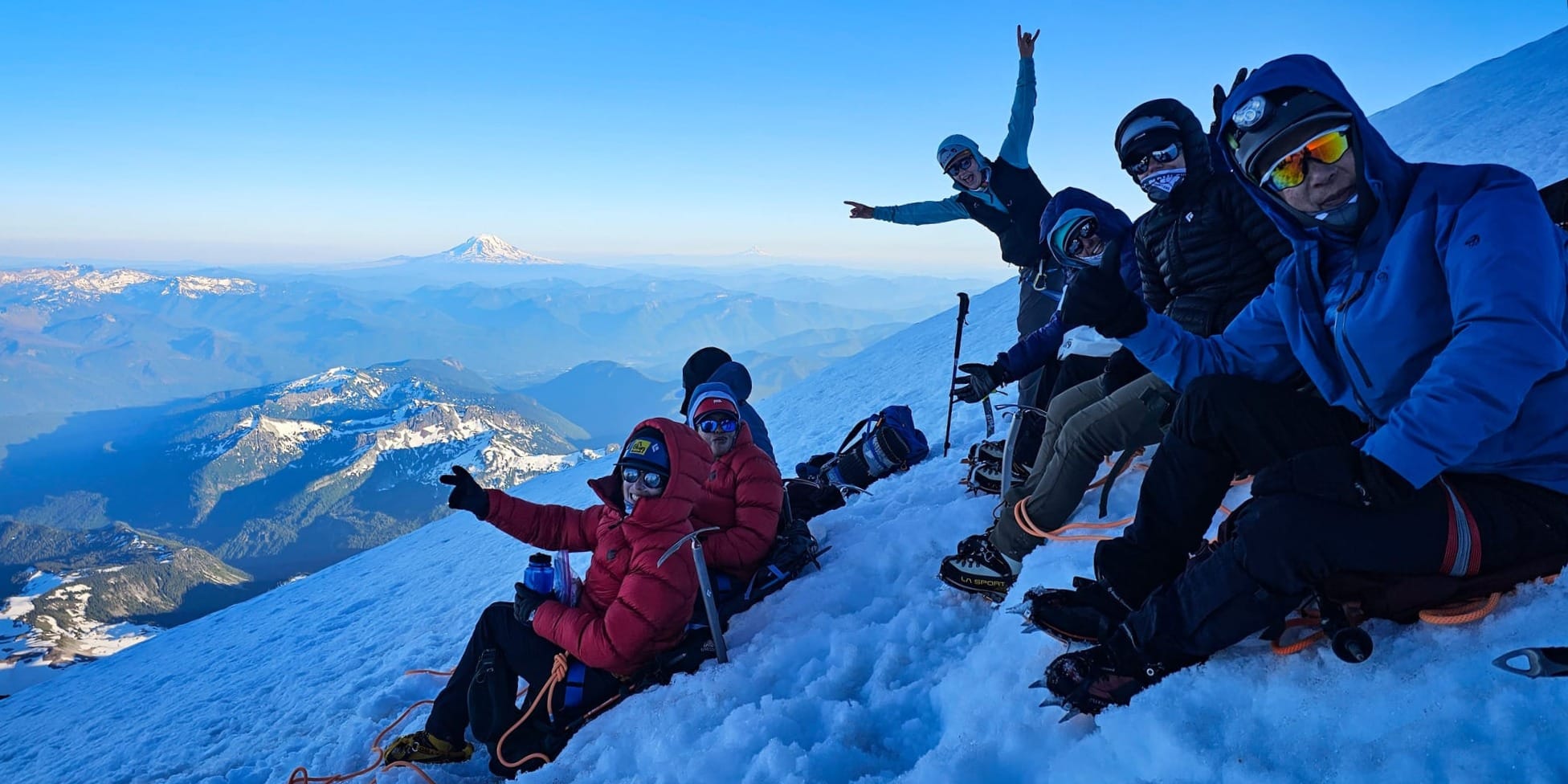
The secret to harnessing your fat reserves lies in two key strategies:
- Lower Your Overall Carbohydrate Reliance: If your bloodstream has ample glucose, the body will pick carbs first. Lowering carb intake outside of key workout times teaches your body to dip into fat stores more readily.
- Build Aerobic Capacity: Fat burning primarily occurs at moderate intensities (aerobic zone). Consistent, sub-threshold training sessions signal to your muscles that they need to improve their ability to use fat as fuel.
Key Biological Adaptations
- Insulin Suppression: Less frequent insulin spikes (due to lower carb intake) reduce fat-burning suppression.
- Increased Mitochondrial Density: Your body develops more mitochondria in muscle cells, enabling higher rates of fat burning.
- Enzyme Activation: Specific enzymes responsible for transporting and breaking down fats become more active with consistent low-carb, high-fat diets and zone 2 training.
Dietary Strategies for Enhanced Fat Burning
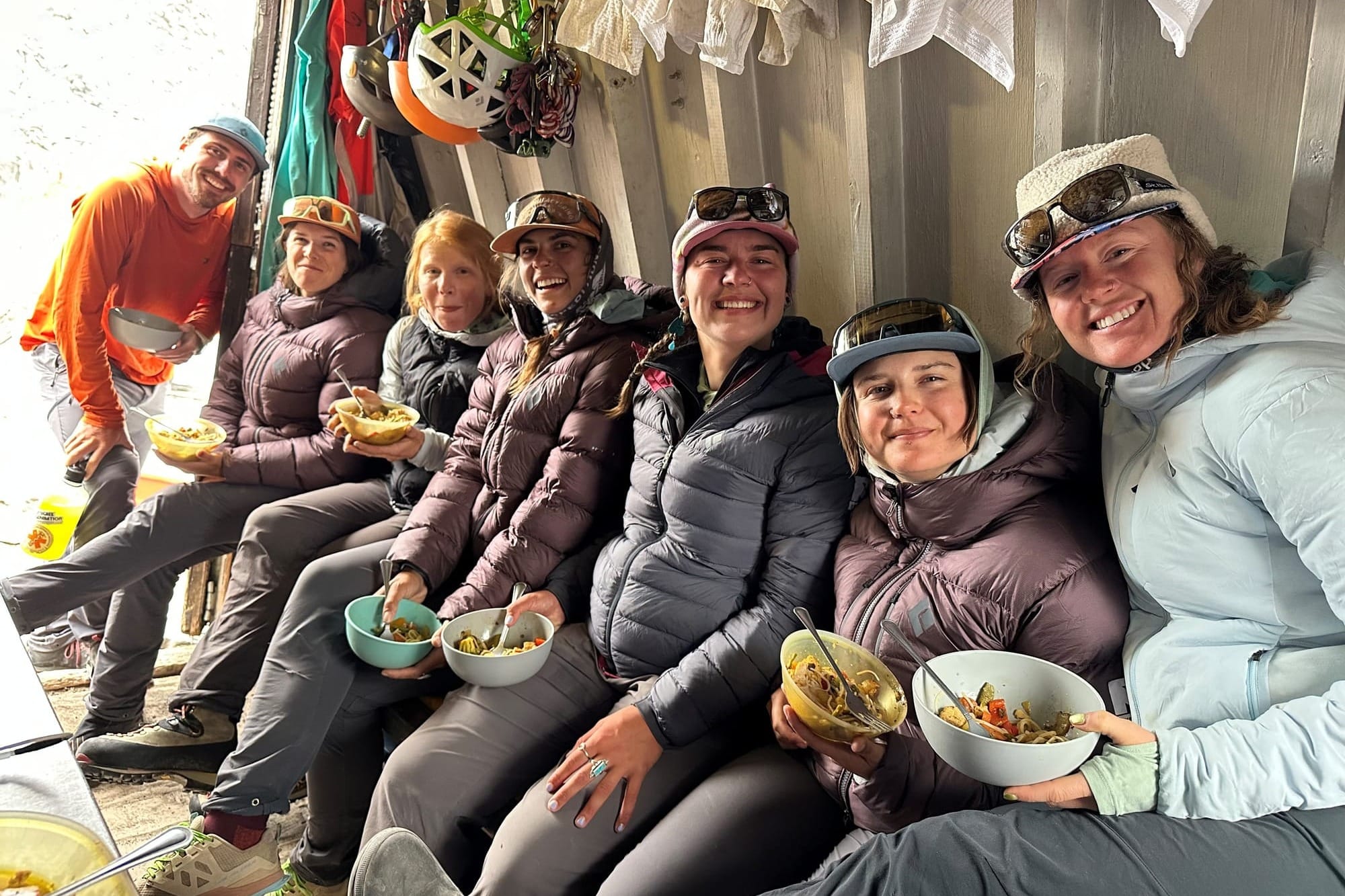
Low-Carb, High-Fat (LCHF) Approach
The LCHF approach adjusts your daily food breakdown:
- Carbs: Around 15 to 30 percent of daily calories (varies by athlete and training load)
- Protein: Around 20 to 25 percent (enough to maintain muscle and support recovery)
- Fats: Around 45 to 60 percent from healthy sources (avocados, nuts, seeds, olives, fatty fish, coconut oil)
Sample LCHF Daily Meal Plan
Why Quinoa or Some Grains? A small portion of carbohydrate around training time can still be beneficial, especially for intense workouts or strength sessions.
Cycling Carb Intake
Strict LCHF diets may hamper high-intensity bursts if taken to extremes. Some climbers prefer carb-cycling:
- Low-Carb Days: On rest or low-intensity days, keep carbs below 15 to 20 percent to reinforce fat burning.
- Moderate-Carb Days: On heavy training days or intervals, elevate carbs to 30 to 40 percent to support glycogen needs.
- Pre-Climb Carb Load: 1 to 2 days before a massive effort, slightly increase carbs to fill glycogen stores while staying mindful of overall balance.
Note: The exact carb-to-fat ratio depends on personal response, training volume, and altitude requirements.
Aerobic Training: Tapping Into Fat Reserves
While adjusting your diet is crucial, pairing it with aerobic-focused workouts seals the deal. Fat burning thrives in sub-threshold or zone 2 intensities, typically 60 to 70 percent of your max heart rate, where you can still talk without gasping.

Long, Steady Sessions
- Hikes/Runs/Bike Rides (2+ hours): A staple for building deep endurance and reinforcing your body's ability to burn fat. Aim to keep your heart rate in the moderate zone.
- Fasted Training: Doing a morning workout before breakfast once or twice a week prompts your body to rely on fat instead of fresh carb intake. Start with shorter durations (30 to 45 minutes) to gauge tolerance.
Zone 2 Targeting
- Heart Rate Range: Typically 60 to 70 percent of your max heart rate.
- Duration: 45 to 90 minutes of continuous, controlled effort.
- Progression: Gradually extend these sessions from 1 hour up to 2 to 3 hours on weekends if you have the time and ambition.
8-Week Aerobic Training Progression
Progress Tip: Monitor perceived exertion and heart rate drift. As you become fat-adapted, you'll maintain a lower heart rate at the same pace, indicating improved metabolic efficiency.
Timeline: How Long to See Results
Fat adaptation isn't an overnight transformation. Expect 8 to 12 weeks of consistent dietary and training shifts before noticing significant changes like:
- Reduced cravings for sugary snacks
- Easier time maintaining energy on longer hikes
- Greater steady state: Heart rate remains stable at moderate intensities for extended durations
- Less drastic fatigue: Recovery between training sessions may improve since you're no longer relying primarily on limited glycogen
Common Challenge: The Adaptation Phase
The first 2 to 4 weeks can feel rough. Some people call this the "adaptation phase" or "low-carb flu," where energy levels fluctuate as your metabolism recalibrates. You might feel sluggish or foggy. This is normal. Ease into it, and avoid scheduling major summits or strenuous competitions during this transitional window.
Putting It All Together
- Moderate Your Carbs: Shift from a carb-heavy diet to one emphasizing healthy fats. Keep some carbs for intense workout days or crucial climbs.
- Build Aerobic Capacity: Add zone 2, long endurance sessions, or fasted training to reinforce fat burning.
- Stay Hydrated & Monitor Electrolytes: As you cut carbs, your body may shed more water initially. Keep track of sodium, potassium, and magnesium, especially if training or climbing in hot conditions.
- Adjust Training Volume Gradually: Overloading your schedule with high-intensity intervals early can sabotage the fat-adaptation process.
- Listen to Your Body: If you experience persistent fatigue, severe headaches, or GI issues, scale back. Everyone's tolerance varies.
Key Takeaways
Improving fat burning through diet and training is a proven approach for endurance sports, including mountaineering. By learning to tap into your near-limitless fat stores and preserve carbohydrate reserves, you reduce your risk of bonking and maintain more consistent, powerful performance over prolonged summit days.
- Carbohydrate Reserves: Precious, limited resource. Best saved for high-intensity bursts or steep pitches.
- Fat: Abundant fuel, ideal for moderate-intensity, long-duration climbs.
- LCHF Diet + Aerobic Workouts: Work together to build strong metabolic flexibility, delaying or preventing bonks.
- Adaptation Timeline: 8 to 12 weeks for noticeable changes. Start well before major objectives.
- Stay Balanced: Combine moderate-carb days for interval or power training with predominantly low-carb days for base-building and rest.
With patience, consistency, and thoughtful adjustments, your body will respond by fueling climbs more efficiently, giving you the stamina to press on when others fade. Fat adaptation won't replace the value of carbohydrates completely, but it diversifies your energy options, ultimately supporting stronger, longer climbs in the high mountains.
References & Further Reading
- House, S., & Johnston, S. (2014). Training for the New Alpinism: A Manual for the Climber as Athlete. Patagonia Books.
- Mountaineers. (2018). Mountaineering: The Freedom of the Hills (9th ed.). The Mountaineers Books.
- Goedecke, J. H., et al. (2017). Fat adaptation in endurance athletes: A scoping review. Sports Medicine.
- American Alpine Club. (2021). Education & Skills for Climbers. https://americanalpineclub.org/education
Note: Nutrition and exercise plans should be tailored to individual needs and health conditions. Talk with a registered dietitian or medical professional for personalized guidance, especially if you have metabolic concerns, dietary restrictions, or ongoing health issues.
